
 English
  Tiếng Việt
 When planning your trip to Morocco, one of the important things to consider is where to transit and what to note when arriving in the country. Morocco, located in North Africa, is a captivating destination with a unique blend of Arab, Berber, and French cultures. From enchanting old quarters (medinas) to vast deserts, Morocco promises unforgettable experiences for travelers. However, due to its geographical location and specific entry regulations, understanding transit points and preparing for entry requirements when arriving in Morocco is crucial.
- Where do you transit in Norway? Important notes for transit
- Where to transit in North Macedonia? Important notes for transit
- Where to transit in Nigeria? Important notes for transit
- Transit in Niger - Where to transit? Important notes for transit
- Where to transit to Nicaragua (Nicaragua)? Important notes when transiting
Where to Transit for Morocco?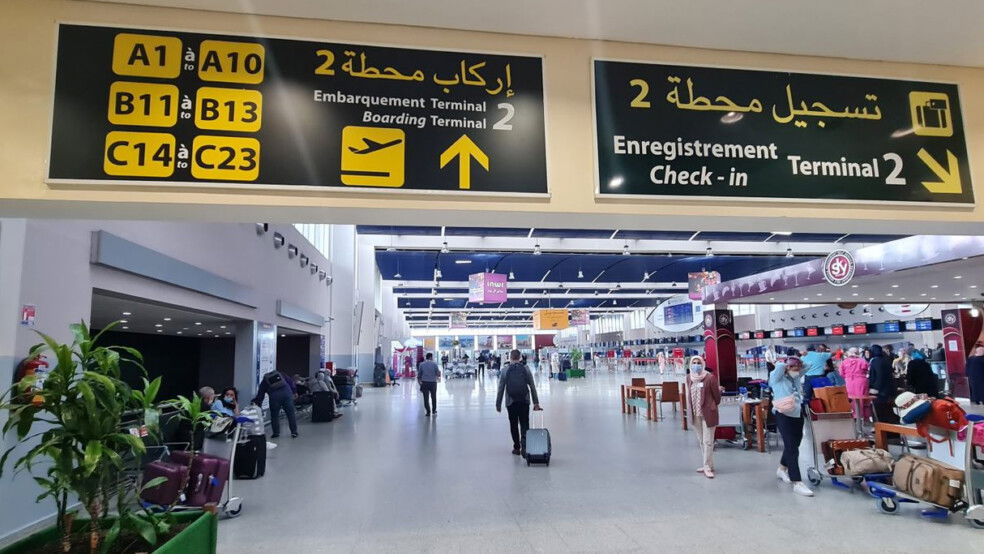
Images of airports in Morocco
International flights to Morocco often stop at one or two major transit airports before reaching the destination. Here are the most common transit points you might encounter when flying to Morocco:
- Paris, France:
- Popular Transit Point:Paris is one of the most popular transit points for flights to Morocco, especially from Europe, the Americas, and Asia. Charles de Gaulle Airport (CDG) is one of Europe's major aviation hubs, offering numerous connecting flights to major Moroccan cities like Casablanca, Marrakech, and Rabat.
- Things to Note:If you are transiting in Paris, pay attention to the time between flights, as Charles de Gaulle Airport is very large and it can take a long time to move between terminals. If you do not leave the transit area, you will not need a visa. However, if you wish to explore Paris during your transit, you will need a Schengen visa.
- Madrid, Spain:
- Popular Transit Point:Madrid is another important transit point when flying to Morocco from Europe or the Americas. Adolfo Suárez Madrid-Barajas Airport (MAD) has many direct flights to major Moroccan cities.
- Things to Note:Transiting in Madrid usually does not require many complex procedures if you stay within the transit area. However, if you intend to leave the airport to visit the city, you will need a Schengen visa. Transit time in Madrid is also a good opportunity to enjoy a bit of Spanish culture before continuing your journey to Morocco.
- Istanbul, Turkey:
- Popular Transit Point:Istanbul is a major aviation hub connecting Europe, Asia, and Africa. Many flights from Asia or the Middle East to Morocco transit at Istanbul Airport (IST).
- Things to Note:If you transit in Istanbul and do not leave the transit area, you do not need to apply for a Turkish visa. However, Istanbul is a city worth exploring if you have a long transit time, and in that case, you will need a Turkish visa to leave the airport.
Notes for transit that you should watch
Hành trình đi tác Maroc sẽ dễ dàng hơn với==>translatorB.
Things to Note When Going to Morocco.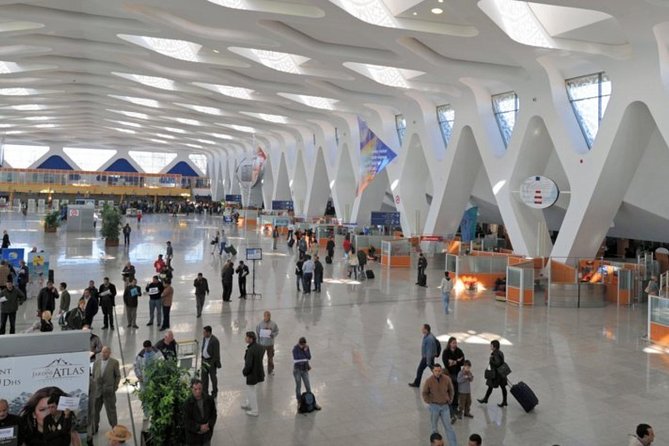
Images of airports in Morocco
Upon arrival in Morocco, there are several important things you need to keep in mind to ensure your trip goes smoothly and safely:
- Check Visa and Passport:
- Visa: Carefully check visa regulations before coming to Morocco, as some countries are visa-exempt for a certain period, while citizens of other countries need to apply for a visa before entering. Make sure you have prepared all the necessary documents to avoid unwanted troubles at the airport.
- Passport: Your passport must be valid for at least 6 months from your entry date into Morocco. This is a mandatory regulation to ensure you can enter without difficulties.
- Immigration Procedures:
- When you arrive at the airport in Morocco, you will have to fill out an immigration form. Make sure you have complete information about your place of stay in Morocco, as this will be required when you go through immigration.
- Luggage checks at Moroccan airports can be quite thorough, especially for food products and medicines. Make sure you do not carry any prohibited or restricted items upon entry.
- Currency and Transactions:
- Currency: The official currency of Morocco is the Dirham (MAD). Although major cities like Casablanca and Marrakech have many places that accept credit cards, you should always have some cash on hand for use, especially in rural areas or traditional markets.
- Currency Exchange:You can exchange money at the airport, banks, or official money exchange points in the city. Avoid exchanging money at unknown locations to avoid being scammed.
- Safety and Transportation:
- Safety:Morocco is generally a safe country for travelers, but you should always be vigilant about your personal belongings, especially in crowded areas like markets or popular tourist attractions.
- Transportation:Traffic in Morocco can be a bit chaotic for first-time visitors. Be careful when crossing the street and always follow traffic laws. If you rent a car, remember to drive carefully and be familiar with local traffic regulations.
- Culture and Religion:
- Morocco is a Muslim country, so you should respect local culture and customs. Dress modestly, especially when visiting religious or rural areas.
- During the month of Ramadan, eating and living regulations may differ, so you should be aware of and respect these customs.
Explore Morocco without worrying about losing signal, aWiFi hotspotwill keep you connected
Explore Morocco easily with aMorocco SIM card, 4G connection anytime, anywhere
By preparing thoroughly and understanding the necessary information, you will have a smooth and enjoyable trip to Morocco. Knowledge of transit points and entry regulations will help you avoid unnecessary trouble and fully enjoy your experience in this colorful and mysterious country.